
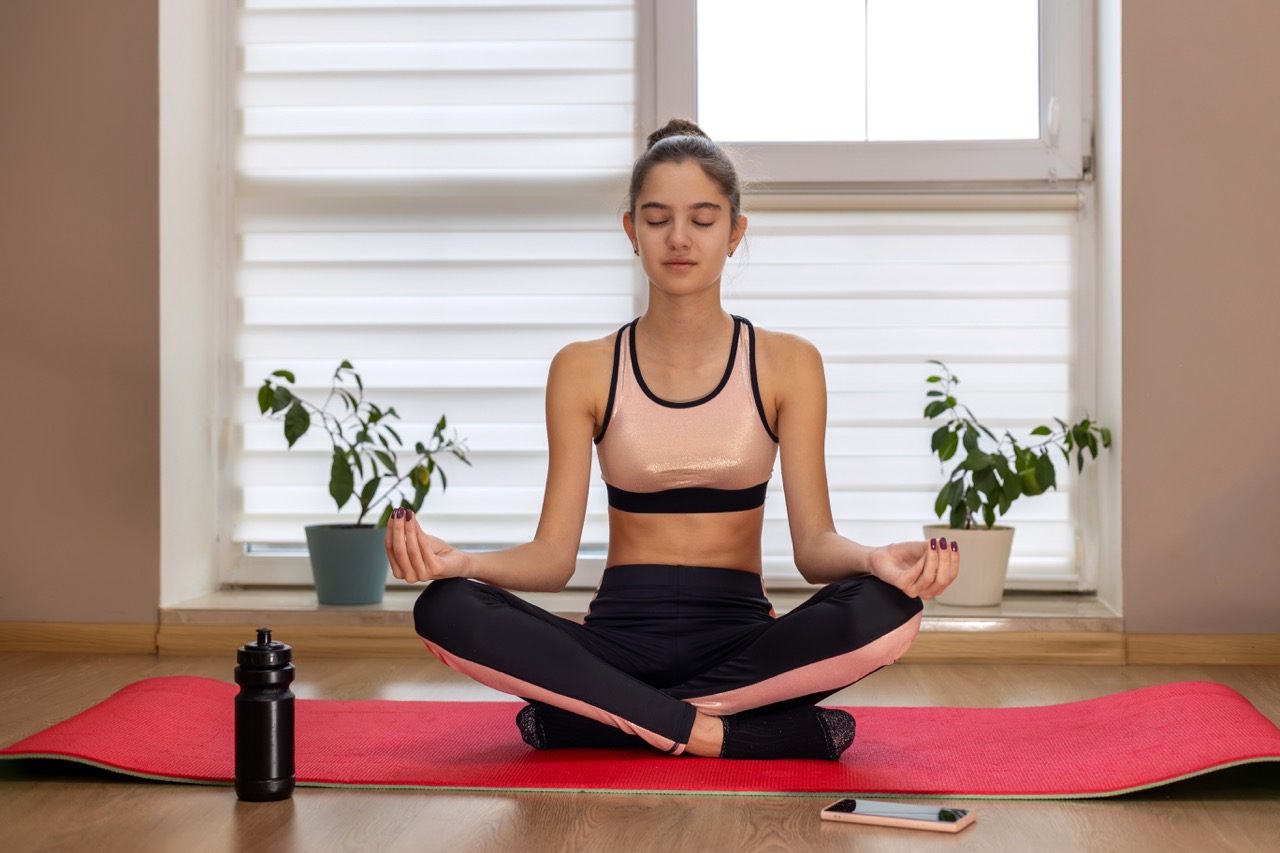
Daily Mindfulness Exercises for Teens That Build Calm and Focus
Stress, distraction, and pressure surround teens today from school demands, social media, and constant digital notifications everywhere. Mindfulness exercises offer practical tools for managing these challenges without requiring hours of meditation or perfect conditions. These simple practices build awareness, not perfection, by helping teens notice their thoughts and feelings without harsh judgment.
Small daily practices create more lasting change than occasional long sessions that feel overwhelming and unsustainable for busy students. Mindfulness exercises connect to improved focus, emotional balance, and confidence through regular practice that fits into real teenage life. Young people who practice these skills develop better stress management and emotional regulation throughout high school and beyond it.
What Mindfulness Really Means for Teens
Mindfulness means paying attention on purpose to what’s happening right now without criticizing yourself for your thoughts or feelings. It helps teens notice thoughts without judgment by observing mental patterns like a curious scientist rather than harsh critic. This awareness supports emotional regulation and focus by creating space between stimulus and response in difficult situations daily.
Studies show mindfulness-based interventions among adolescents produce promising results in overall well-being and mental health outcomes consistently. Mindfulness exercises teach young people to respond thoughtfully instead of reacting impulsively when emotions feel overwhelming or intense. Common myths suggest mindfulness requires emptying your mind completely, but it actually means noticing what’s there without fighting it. Mindfulness exercises work for any teen regardless of personality type, background, or current stress levels without requiring special abilities.
Why Mindfulness Matters for Teen Mental Wellness
Stress from school expectations, social media comparison, and future uncertainties creates constant pressure that impacts teenage mental health significantly. Research confirms mindfulness-based interventions effectively reduce intrusive thinking, depression, anxiety, stress overload, and aggression while increasing empathy and optimism. Benefits for focus, mood, and sleep quality appear when teens practice mindfulness exercises regularly rather than only during crises.
Science-backed research supports mindfulness habits showing small effect sizes for attention, executive functioning, depression, anxiety, and stress reduction. Mindfulness exercises help teens respond instead of react by creating pause moments that allow thoughtful choices rather than impulsive actions. The practice teaches emotional skills that prevent mental health symptoms and stress-related problems before they become severe issues.
Simple Mindfulness Exercises Teens Can Practice Daily
These mindfulness exercises take only minutes and work anywhere without special equipment or perfect quiet environments. Regular practice builds skills gradually rather than requiring immediate mastery or dramatic lifestyle changes that feel impossible. Starting with short, practical exercises creates sustainable habits that teens actually maintain rather than abandoning after initial enthusiasm fades.
Deep Breathing for Calm and Focus
Deep breathing follows a simple pattern of inhaling for four counts, holding for four, and exhaling for six counts. This practice helps reset the nervous system by activating the body’s natural relaxation response during stressful moments. Mindfulness exercises like breathing can be done anywhere including classrooms, before tests, or during conflicts with friends and family.
Five Senses Grounding Exercise
This technique uses sight, sound, touch, smell, and taste to anchor attention in the present moment completely. Students identify five things they see, four they can touch, three they hear, two they smell, and one they taste. Bringing attention back to the present moment through senses interrupts anxious thoughts about future events or past regrets. This grounding exercise proves useful during stress or anxiety episodes when thoughts feel out of control completely.
One-Minute Body Check-In
Students pause to notice tension or relaxation in different body parts from head to toes systematically and slowly. Building body awareness helps teens recognize physical signs of stress before emotions become overwhelming and unmanageable throughout the day. Encouraging self-care starts with noticing what your body needs right now rather than ignoring signals until problems worsen. This mindfulness exercise takes just sixty seconds but provides valuable information about current emotional and physical states clearly.
Mindfulness Through Journaling and Reflection
Writing helps teens process emotions by transforming confusing feelings into clear words on paper that make sense gradually. Reflection builds self-awareness by revealing patterns in thoughts, feelings, and behaviors that teens might not notice otherwise consistently. Simple prompts work best because complex questions can overwhelm rather than support the reflective process for busy students.
Mindfulness exercises through journaling create records teens can review to see growth over weeks and months rather than days. The Dreamer Box includes journaling tools specifically designed for teen reflection and mindfulness practice that feels accessible and supportive. Writing for just five minutes daily about emotions, challenges, or gratitude strengthens mindfulness habits more effectively than occasional long sessions. Mindfulness exercises in written form help teens understand themselves better while developing communication skills simultaneously through regular practice.
How Mindfulness Improves Focus and Emotional Control
Mindfulness helps teens pause before reacting by creating brief moments to consider consequences rather than acting on immediate impulses. Improved attention in class happens when students practice focusing their minds intentionally rather than letting thoughts wander constantly everywhere. Reducing emotional overwhelm becomes possible when teens recognize feelings early before they escalate into unmanageable intensity or crisis.
Research shows mindfulness-based interventions significantly improve mindfulness itself, depression, and anxiety compared to control groups in studies. Building confidence over time occurs as teens prove to themselves they can manage difficult emotions without losing control completely. Mindfulness exercises strengthen the mental muscles needed for self-regulation just like physical exercise builds bodily strength gradually. Students who practice regularly develop better executive functioning including working memory, inhibition, and task switching abilities consistently.
How Teens Can Build a Daily Mindfulness Routine
Creating sustainable mindfulness exercises routines requires starting small enough that completion feels achievable even on the busiest days. Pairing mindfulness with daily habits like brushing teeth or eating breakfast helps the practice stick without requiring extra time. Practicing at the same time daily creates automatic cues that trigger the behavior without conscious thought or decision.
Building these habits successfully means keeping expectations realistic rather than aiming for perfection immediately:
- Start with one minute a day of any mindfulness exercise that feels comfortable and doable consistently
- Pair mindfulness with daily habits you already do like morning routines or bedtime preparations
- Practice at the same time daily to build automatic patterns that don’t require motivation constantly
- Keep expectations realistic about what you can maintain long-term rather than setting impossible standards
- Track progress gently by noting when you practice without harsh judgment for missed days occasionally
How KDA Foundation Supports Mindfulness for Teens
KDA Foundation’s daily app encourages reflection through structured prompts and challenges designed specifically for teenage schedules and attention spans. The Dreamer Box includes mindfulness tools like journals and wellness items that make abstract practices feel tangible and concrete. Workshops teach emotional skills through hands-on practice with peers rather than just lectures about theories and concepts.
Mentors model calm decision making by demonstrating how mindfulness exercises apply to real-life situations and challenges teens face. Students learn that mindfulness practices integrate naturally into busy lives rather than requiring separate meditation sessions or retreats. The combination of digital tools, physical resources, and human support creates comprehensive mindfulness training for sustainable student wellness.
Small Mindful Moments Create Stronger Futures
Starting small with one simple mindfulness exercise today builds foundations for lifelong emotional wellness and resilience throughout life. Consistency matters more than perfection because regular brief practice produces better results than occasional perfect sessions that feel hard to maintain. Emotional wellness developed through mindfulness exercises becomes a life skill that serves teens through college, careers, and personal relationships consistently.
Explore KDA Foundation‘s tools and programs specifically designed to help teens develop mindfulness habits that support mental health and success.
Contact Information:
Coral Springs, FL
(954) 775 8255
info@kdafoundation.org