

Mentorship Programs for Teens Designed to Build Confidence and Life Direction
Families throughout Coral Springs, Florida, continue searching for structured support that helps teenagers grow into confident, responsible, and purpose-driven adults. Academic instruction alone often leaves gaps in emotional growth, accountability, and real-world decision-making. That reality explains why Mentorship Programs for Teens play a vital role during these formative years. At KDA Foundation, we provide intentional guidance that helps young people build confidence while developing a clear direction for their future.
Community pressures influence how teens manage responsibility, relationships, and self-worth. Daily challenges related to school, peers, and uncertainty about life after graduation often create confusion and stress. Through KDA Foundation, we create mentoring environments that encourage honest conversation, reflection, and goal-focused thinking. Our approach allows teens to discuss challenges openly while learning practical skills that support emotional balance and personal accountability.
Structured one-on-one mentoring strengthens trust and consistency over time. Clear conversations focus on goal setting, progress review, and responsible decision-making rather than short-term motivation. Within KDA Foundation, we emphasize ownership by helping teens connect daily choices to long-term outcomes. Our mentoring process supports discipline, self-awareness, and confidence across academic, social, and personal areas of life.
Positive role models reinforce growth by demonstrating resilience, integrity, and effective communication. Real-life experiences shared through mentorship help teens understand success as a process shaped by effort and responsibility. At KDA Foundation, we integrate guidance with community values to support long-term development. Our commitment centers on helping teens gain confidence, direction, and the tools needed to navigate adulthood with purpose.
Why Mentorship Matters During the Teen Years
Teenage years shape habits, values, and long-term self-belief that influence adulthood. Exposure to consistent guidance during this stage supports academic focus, emotional resilience, and early career awareness. That foundation explains why Mentorship Programs for Teens play an important role in helping young people develop confidence, communication skills, and healthier ways to manage stress and uncertainty. At KDA Foundation, we approach mentorship as a structured relationship that reinforces accountability while encouraging personal growth.
Life in Coral Springs presents unique pressures related to academics, social expectations, and future planning. Busy schedules and performance demands often limit opportunities for meaningful reflection and guidance. Through our mentoring approach, we create space for open discussion, goal setting, and thoughtful decision-making without judgment. These conversations help teens identify strengths, address setbacks, and take responsibility for choices that shape daily behavior and long-term outcomes.
According to the U.S. Department of Education, mentoring relationships contribute to improved self-esteem, stronger interpersonal skills, and greater engagement in school and community life. Our experience reflects those findings as structured mentorship encourages emotional maturity while supporting independence within a consistent and supportive environment.
One-on-One Mentoring That Builds Trust and Accountability
Personalized guidance forms the foundation of effective youth development and long-term confidence. Individual attention allows goals, challenges, and strengths to receive focused support rather than generalized advice. That approach explains why Mentorship Programs for Teens achieve stronger outcomes when mentors commit to consistency and trust. At KDA Foundation, we structure one-on-one mentoring to create reliable relationships where teens feel heard, supported, and accountable for their growth.
Clear expectations guide each mentoring relationship. Goal setting focuses on education, social development, leadership development, and future planning while allowing flexibility as teens mature. Through our process, we track progress, address obstacles, and recognize milestones that reinforce motivation. Accountability remains central because teens learn how daily decisions influence long-term results. That awareness strengthens self-discipline, responsibility, and confidence across multiple areas of life.
According to the National Mentoring Resource Center, a U.S. Department of Justice-supported program, consistent mentoring relationships improve goal attainment, decision-making skills, and personal responsibility among youth. Our experience aligns with this research as structured one-on-one guidance helps teens develop habits that extend beyond the mentoring relationship and support lasting personal growth.
Positive Role Models Who Inspire Confidence and Direction
Strong role models influence how teenagers build resilience and long-term direction. Exposure to consistent guidance helps young people understand success through effort, responsibility, and ethical decision-making. That influence explains why Mentorship Programs for Teens remain essential during critical developmental years. Through KDA Foundation, we connect youth with mentors who lead by example and demonstrate values that extend beyond words. The following focus areas highlight how role models support confidence, decision-making, and personal growth through lived experience, honest guidance, and consistent accountability.
Integrity That Shapes Daily Decisions
Integrity influences how teens make choices when faced with pressure, uncertainty, or competing priorities. Through Mentorship Programs for Teens, integrity becomes visible through actions rather than lectures. At KDA Foundation, we encourage mentors to model honesty, accountability, and ethical behavior in everyday situations. Our mentors discuss real-life scenarios that involve difficult decisions, allowing teens to understand consequences and responsibility. This consistent exposure helps teens build trust in themselves while learning how integrity supports personal credibility, relationships, and long-term success. Observing integrity in practice strengthens confidence and encourages teens to apply those standards within school, family, and community settings.
Perseverance Through Real-Life Experiences
Challenges often shape character more than success alone. Through Mentorship Programs for Teens, perseverance becomes a learned skill rather than an abstract concept. At KDA Foundation, we guide mentors to share authentic experiences involving setbacks, failures, and recovery. These conversations help teens recognize obstacles as part of growth rather than signs of defeat. Our approach reinforces patience, resilience, and problem-solving skills while encouraging teens to stay committed to goals during difficult moments. Exposure to perseverance in action builds emotional strength and reinforces the belief that effort, consistency, and reflection lead to progress over time.
Career Awareness and Purposeful Direction
Career exploration helps teens connect interests with future opportunities. Through Mentorship Programs for Teens, exposure to diverse professional experiences expands perspective and ambition. At KDA Foundation, we introduce mentors from various career paths who share insights about education, skill development, and workplace expectations. These discussions help teens understand realistic pathways rather than assumptions about success. Our guidance encourages curiosity, goal setting, and informed decision-making while reducing anxiety about the future. Career-focused mentorship supports confidence by helping teens see achievable possibilities aligned with their strengths, interests, and long-term purpose.
Emotional Growth Through Structured Guidance
Emotional development influences academic performance, relationships, and long-term well-being throughout the teen years. Supportive guidance helps young people understand feelings, manage stress, and communicate effectively. That need explains why Mentorship Programs for Teens play an important role in emotional maturity. At KDA Foundation, we create structured environments where teens feel safe expressing emotions, asking questions, and reflecting on experiences without fear of criticism or dismissal.
Consistent mentoring conversations address stress management, peer pressure, self-identity, and healthy communication. Through our approach, we encourage regular check-ins that help teens recognize emotional triggers and respond with intention rather than reaction. These discussions promote self-awareness while reinforcing accountability for behavior and decision-making. Emotional understanding grows stronger when teens practice reflection within trusted mentoring relationships.
Emotional literacy supports healthier interactions at school, at home, and in future professional settings. Guidance rooted in empathy and responsibility strengthens confidence and resilience over time. Through intentional structure, we help teens build emotional skills that support balanced relationships, thoughtful choices, and long-term personal growth grounded in self-respect and accountability.
Accountability Systems That Encourage Personal Responsibility
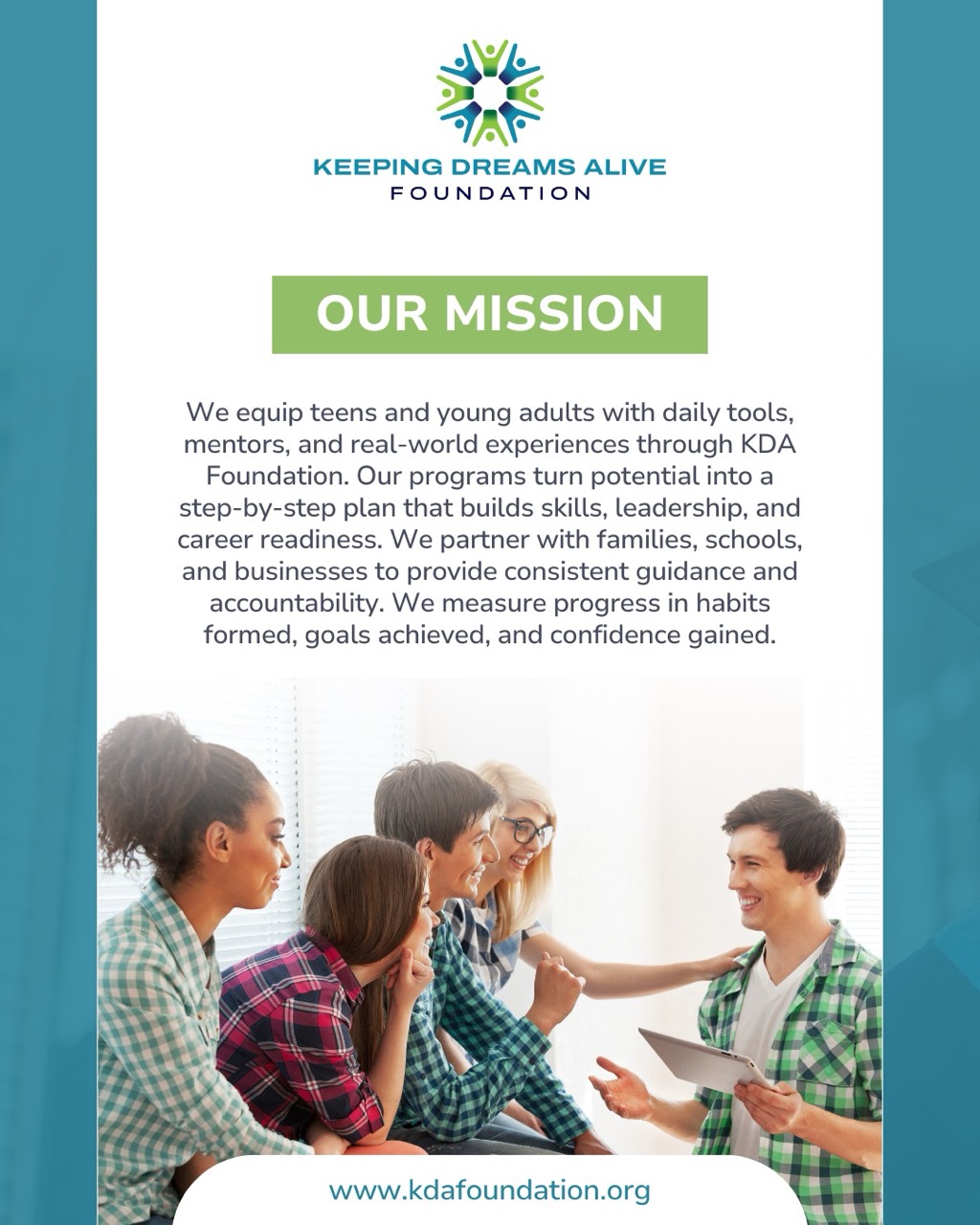
Community-Centered Youth Mentorship in Coral Springs
Local engagement strengthens outcomes when guidance reflects the environment teens experience every day. Community values, resources, and opportunities shape how young people understand responsibility and belonging. That connection explains why Mentorship Programs for Teens rooted in Coral Springs create stronger relevance and trust. At KDA Foundation, we design mentorship experiences that connect learning to familiar neighborhoods, schools, and community spaces teens recognize and value.
Strong partnerships support meaningful development. Through collaboration with local schools, families, and community organizations, we align mentoring goals with real-world expectations. Workshops, service opportunities, and group initiatives introduce teens to civic responsibility and leadership in practical settings. These experiences help teens see how personal growth connects to community contribution while reinforcing accountability and respect for others.
Community-centered mentoring encourages ownership and purpose. Exposure to service-oriented experiences helps teens understand their role within Coral Springs while building confidence through action. Through consistent guidance and local engagement, we help teens develop leadership skills, social awareness, and a sense of responsibility that supports positive participation within their community and beyond.
Measurable Outcomes and Real-World Impact
Frequently Asked Questions (FAQs) About Mentorship Programs for Teens
- What age group benefits most from teen mentorship programs?
Programs typically serve youth ages 13 to 18, with benefits extending into early adulthood when mentorship focuses on transition planning. - How do mentors support emotional growth?
Mentors guide conversations about feelings, stress, and self-awareness while modeling healthy emotional responses. - Are parents involved in the mentoring process?
Parental communication remains encouraged to align goals and reinforce progress at home. - How often do mentoring sessions take place?
Most programs offer weekly or bi-weekly sessions to maintain consistency and trust. - What makes one-on-one mentoring effective?
Personalized attention allows mentors to address individual challenges, strengths, and goals directly. - How does accountability work in teen mentorship?
Mentors help teens set goals, track actions, and reflect on outcomes without judgment. - Can mentorship help with academic motivation?
Yes. Mentorship reinforces goal setting, time management, and responsibility related to school performance. - Are mentors professionally trained?
Reputable programs provide mentor training focused on communication, ethics, and youth development. - How long does it take to see results?
Many families notice positive changes within three to six months of consistent engagement. - How can families in Coral Springs enroll?
Enrollment information is available by contacting the KDA Foundation directly.
Empower Teens With Purpose-Driven Mentorship
Lasting confidence develops through intentional guidance, accountability, and consistent support rather than chance. Structured involvement helps young people manage academic pressure, emotional challenges, and important life decisions with greater clarity. That reality explains why Mentorship Programs for Teens continue to support families seeking long-term growth and direction. At KDA Foundation, we deliver purpose-driven mentorship that combines one-on-one relationships, positive role models, and measurable accountability to guide teens toward confident decision-making. Clear structure strengthens responsibility and self-belief over time. Our mentoring approach helps teens connect daily choices to future goals while reinforcing emotional maturity and practical life skills. Families in Coral Springs searching for reliable guidance can explore programs designed to build confidence, resilience, and direction. Contact us to learn how our mentorship supports a successful transition into adulthood.
Address: Coral Springs, Florida
Phone: (954) 775-8255
Email: info@kdafoundation.org
Lasting direction begins with consistent guidance and trusted relationships. Through intentional structure, accountability, and community connection, we help teens build confidence that supports lifelong growth. Families in Coral Springs can rely on our mentorship to prepare young people for responsible decision-making, emotional resilience, and purposeful transitions into adulthood with clarity and confidence.