
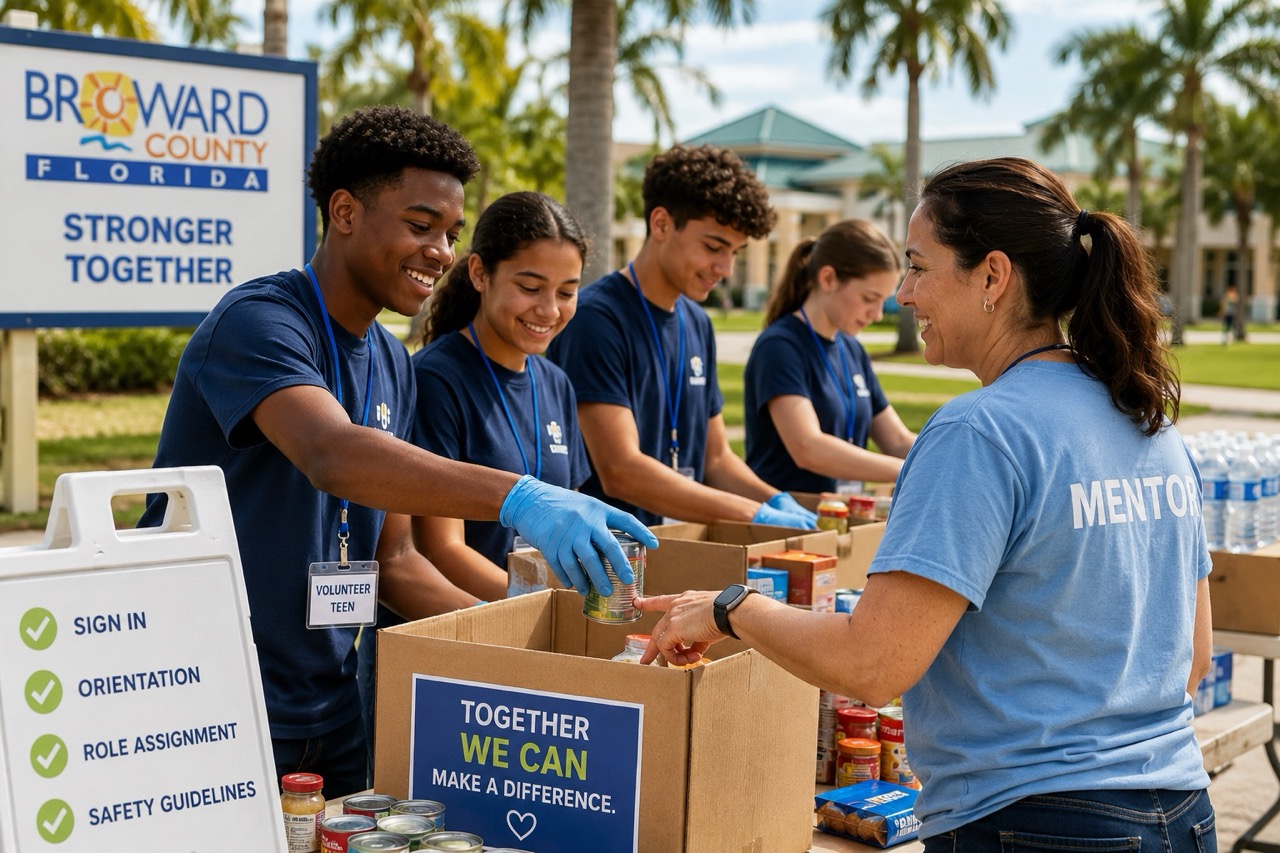
Safe and Structured Volunteer Opportunities for Teens in Broward County
Parents want their teen to grow. They also want that growth to happen somewhere safe. Volunteering checks both boxes when the program is structured well. Broward County offers many ways for teens to give back, build skills, and stay protected while doing it.
This guide breaks down what safety and structure actually mean in a volunteer setting. It also covers where to find programs that meet both standards.
If you already explored our list of top youth volunteer opportunities in Broward County, this guide goes one step further. It focuses on what makes a program truly safe for a teen to join.
What Makes a Volunteer Program Safe for Teens
Safety is not just about location. It includes supervision, screening, and clear communication with parents. A safe program has background-checked staff and adult supervisors present at all times. It also has a clear plan for emergencies and a way to reach parents quickly.
Structured programs explain expectations before a teen even starts. Teens should know their role, their schedule, and who to contact with questions. Programs that lack this structure often leave teens confused or unsupervised. Parents should always ask about supervision ratios before signing a teen up.
Why Structure Matters as Much as Safety
A program can be safe but still disorganized. Disorganized programs waste a teen’s time and motivation. Structure means a teen knows what to expect each time they show up. It includes clear roles, defined hours, and a point person who checks in.
Structured volunteer experiences also teach real skills. Teens learn responsibility, time management, and how to follow through on commitments. Without structure, volunteering can feel like babysitting instead of meaningful contribution. The best programs combine safety protocols with a clear sense of purpose.
Where to Find Safe Volunteer Opportunities in Broward County
There are several well-established places in Broward County where teens can explore volunteer opportunities through structured, supervised programs. These options typically include clear eligibility guidelines, adult supervision, and organized activities designed to keep students safe and engaged.
Many opportunities are offered through local government departments, libraries, community service networks, and nonprofit organizations. Parents and students should always review program details, including age requirements, training processes, and supervision policies before getting involved.
Community Volunteer Matching Platforms
Some county-supported and nonprofit volunteer platforms help connect students with local service opportunities. These platforms typically list available roles, basic requirements, and instructions on how to apply, making it easier for teens to find safe, age-appropriate options.
Public Library Teen Programs
Local library systems in Broward County often offer structured teen volunteer programs. These programs usually include supervised activities such as assisting with events, organizing materials, and supporting community programs within a controlled environment.
Parks and Recreation Volunteer Activities
County parks and recreation departments may offer seasonal volunteer opportunities such as environmental cleanups, community events, and public service projects. These programs generally include staff supervision and safety guidelines before participation.
Food Assistance and Community Service Organizations
Some community service organizations in Broward County offer structured volunteer shifts focused on food distribution, warehouse support, or event assistance. These programs typically require orientation and follow clear safety procedures for all volunteers.
How Mentorship Adds an Extra Layer of Safety
A supervised activity is good. A mentored activity is better. When a trusted adult guides a teen through volunteer work, the experience becomes safer and more meaningful. Mentors notice when a teen is struggling, confused, or disengaged. They step in before small problems become bigger ones.
Mentorship also gives teens someone to process the experience with afterward. This reflection step is often missing from one-time volunteer events. It is one reason structured youth programs tend to produce stronger long-term outcomes.
KDA Foundation builds this kind of mentorship directly into its programs through Growth and Guidance challenges and consistent mentor check-ins.
Questions Parents Should Ask Before Enrolling a Teen
Asking the right questions upfront prevents problems later. Use this short list before committing to any volunteer program.
- Who supervises teens during each shift or activity
- What is the adult-to-teen ratio during the program
- How does the organization screen its staff and volunteers
- What happens if a teen needs to leave early or feels unsafe
- How does the program communicate with parents during the activity
- What training do teens receive before starting their role
A reputable organization will answer these questions clearly and without hesitation. Hesitation or vague answers are a sign to look elsewhere.
Age-Appropriate Volunteer Roles in Broward County
Not every volunteer role fits every age group. Younger teens, around 13 to 15, do best with closely supervised tasks. These include sorting donations, library support, or event setup.
Older teens, around 16 to 18, can often handle more independent roles. These include leading small group activities or working front-facing community events. Matching the role to the teen’s age and maturity level improves both safety and the overall experience. Programs that group teens by age and experience tend to run more smoothly.
How Volunteering Builds Skills Beyond the Activity Itself
Volunteering teaches more than the task in front of a teen. It builds communication skills through interaction with staff, peers, and the public. It also builds responsibility through showing up and completing assigned work. These benefits multiply when the program includes structured reflection or mentorship.
A teen who only completes hours misses half the value. A teen who reflects on the experience walks away with real personal growth. This is part of why KDA Foundation pairs daily challenges and real-world support with every program a teen joins.
Red Flags to Watch For in Volunteer Programs
Some warning signs suggest a program may not be safe or well organized. Watch for these before enrolling a teen.
- No background checks mentioned for staff or volunteer coordinators
- Unclear supervision plans or vague answers about adult presence
- No emergency contact procedure shared with parents
- Last-minute scheduling with little communication beforehand
- No orientation or explanation of expectations before the first shift
If a program shows several of these signs, it is worth pausing before enrolling. Trust your instincts as a parent and ask follow-up questions.
How KDA Foundation Supports Safe Teen Growth in Broward County
KDA Foundation was built around the idea that growth should happen in a safe, guided environment. Teens ages 13 to 24 can join the KDA Foundation daily program to build life skills, explore careers, and connect with trusted mentors.
The optional Dreamer Box adds hands-on projects and wellness tools that support a teen’s development outside the volunteer setting itself. As local KDA Centers expand across Florida, teens gain access to in-person workshops and mentoring that build on the safety and structure described in this guide.
Start With One Safe, Structured Opportunity
Volunteering should build a teen up, not put them at risk. Broward County has many safe and structured options for families ready to start. Begin by asking the right questions and choosing a program with clear supervision.
KDA Foundation is here to support that next step with mentorship, structure, and real guidance.
Contact Information: