

Building Digital Balance for Coral Springs Teens
Digital Wellness & Healthy Technology Habits for Teens begins with one truth: teens do not live separate online and offline lives anymore. A student may use a phone to check homework, talk with friends, watch a lesson, apply for opportunities, create art, follow a school update, or relax after a long day. Technology can support growth, but it can also create distraction, stress, comparison, sleep problems, and poor time management when teens lack structure.
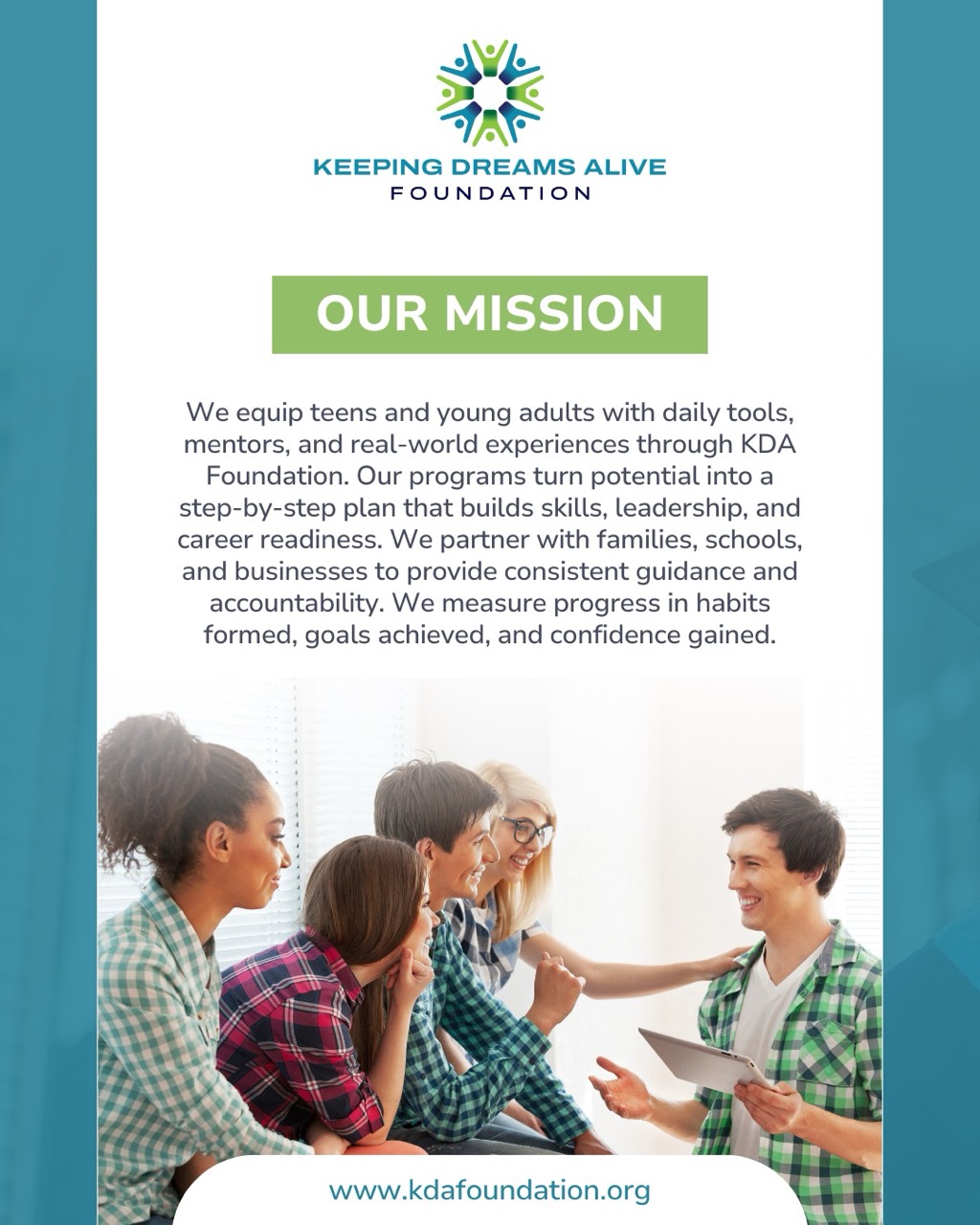
KDA Foundation helps students in Coral Springs, Florida, build practical habits that support real-world readiness. Our work focuses on life skills, leadership, mentorship, career development, and personal growth. Healthy technology use fits directly into that mission because students need digital discipline to succeed in school, relationships, college planning, and future careers.
Families across Coral Springs often manage busy schedules around school, sports, tutoring, community activities, part-time responsibilities, and family commitments. Technology can either support those routines or interrupt them. Digital Wellness & Healthy Technology Habits for Teens gives families a clearer way to talk about screen use without turning every conversation into an argument.
KDA Foundation encourages teens to reflect before they scroll, post, or respond online. A student can consider whether screen time supports learning, connection, creativity, or rest. Digital habits also deserve attention when they interrupt sleep, schoolwork, mood, family time, or personal goals. This simple reflection builds awareness, and awareness helps teens make better choices.
Why Digital Wellness Matters During the Teen Years
Teenagers develop identity, confidence, independence, and decision-making skills during a stage filled with pressure. Technology adds another layer to that growth. Social media, gaming, video platforms, messaging apps, and constant notifications can shape attention, confidence, emotions, and daily routines.
Digital Wellness & Healthy Technology Habits for Teens matters because teens need guidance before unhealthy patterns become normal. A student who scrolls late at night may struggle to wake up on time. A student who compares achievements online may lose confidence. According to the Centers for Disease Control and Prevention (CDC), teen screen use can connect with sleep and health concerns. A student who checks notifications during homework may take twice as long to finish assignments. These small patterns can affect academic progress, mental focus, and personal motivation.
KDA Foundation teaches students that digital wellness does not mean avoiding technology completely. Our approach focuses on purpose, balance, and responsibility. Technology can help teens research careers, practice skills, build portfolios, communicate with mentors, explore colleges, and complete creative projects. The goal involves smarter use, not fear-based restriction.
Creating Healthy Screen Time Routines at Home
Digital wellness & healthy technology habits for Teens grow stronger when families create routines instead of random rules. Clear routines help teens understand expectations before conflict starts. A healthy plan may include device-free meals, homework-first expectations, charging phones outside the bedroom, and scheduled time for rest, movement, and family connection.
KDA Foundation encourages parents and caregivers to involve teens in the planning process. Teens respond better when adults explain the reason behind a rule. According to the National Telecommunications and Information Administration (NTIA), families can build a media plan, balance time with and without devices, and keep open communication about social media.
A strong routine should feel realistic. A student who uses a laptop for school cannot follow the same plan as a student who only uses a device for entertainment. Parents can separate productive technology use from passive scrolling. Researching a scholarship, editing a presentation, joining a mentorship session, or building a resume supports growth.
Building Focus, Sleep, and Emotional Control
Digital wellness & healthy technology for teens should always include sleep, attention, and emotional awareness. Many teens feel tired, distracted, or overwhelmed without realizing how much technology shapes those feelings. Notifications break concentration. Late-night screen use delays rest. Online comparison can affect self-worth. Constant entertainment can make quiet moments feel uncomfortable.
KDA Foundation teaches teens to notice patterns. A student may ask, “How do I feel after using this app?” or “Do I feel better, worse, calmer, or more stressed?” These questions help students understand the emotional impact of digital behavior. Teens need tools that help them pause, reflect, and adjust before stress builds.
Healthy sleep routines matter. Families can create a technology wind-down period before bed. Teens can charge devices away from the bed, use an alarm clock instead of a phone, and choose calming offline habits before sleep. Reading, journaling, stretching, or preparing for the next school day can help students end the night with more control.
KDA Foundation also supports executive functioning skills such as planning, organization, time management, and follow-through. Digital distractions can weaken those skills when teens constantly switch between tasks. A simple focus plan can help. Students can silence notifications, use timers, create homework blocks, and check messages during planned breaks. These habits build discipline that supports school, leadership, and future workplace success.
Helping Teens Use Technology for Learning and Growth
Technology plays a major role in how young people learn, communicate, and prepare for future opportunities. Digital wellness & healthy technology for teens should encourage students to see technology as more than entertainment. At KDA Foundation, we help students develop skills that support academic achievement, career readiness, leadership growth, and personal development. When teens use digital tools intentionally, they can explore interests, build practical experience, and strengthen their confidence. We encourage families to focus on the quality of screen use rather than simply counting hours. The following examples show how purposeful technology use can help students learn, create, and prepare for long-term success.
Researching College Pathways and Career Opportunities
We encourage students to use technology as a gateway to future opportunities. Online platforms provide access to college information, scholarship databases, career assessments, and industry insights that can help teens make informed decisions. KDA Foundation helps students explore different educational and career paths based on their interests, strengths, and goals. Digital research allows teens to compare programs, learn about admission requirements, and discover professions they may not have considered. These experiences help students gain direction while building confidence in their future planning process.
Building Resumes and Digital Portfolios
We believe technology offers valuable opportunities for students to showcase their accomplishments and skills. Digital resumes and portfolios allow teens to organize academic achievements, volunteer experiences, leadership roles, creative projects, and certifications in one accessible location. KDA Foundation encourages students to begin documenting their growth early so they can present a stronger profile for internships, scholarships, college applications, and future employment opportunities. Creating a portfolio also teaches organization, professionalism, and self-reflection, which are essential skills for long-term success.
Strengthening Communication and Professional Skills
We help students understand that effective communication extends beyond face-to-face conversations. Email etiquette, virtual meeting participation, professional messaging, and online collaboration have become important life skills for education and employment. KDA Foundation teaches students how to communicate respectfully and professionally in digital environments. Practicing these skills can help teens feel more confident when interacting with teachers, mentors, employers, and community leaders. Strong communication habits also improve teamwork, leadership development, and relationship-building opportunities throughout their academic and professional journeys.
Using Technology to Track Goals and Progress
We encourage students to use digital tools that support organization and accountability. Goal-tracking applications, calendars, productivity platforms, and project management tools can help teens manage responsibilities more effectively. KDA Foundation works with students to develop systems that support time management, academic performance, and personal growth. When students track deadlines, monitor progress, and review achievements regularly, they develop stronger executive functioning skills. These habits help reduce stress while creating a clearer path toward educational and career-related goals.
Creating Rather Than Consuming
We encourage teens to spend more time creating and less time passively scrolling. Technology provides opportunities to write, design, code, record videos, edit content, conduct research, and develop innovative projects. KDA Foundation believes creative engagement helps students build confidence, problem-solving abilities, and practical skills that extend beyond the classroom. Productive digital experiences often leave students feeling accomplished and motivated because they contribute something meaningful. Families can support this mindset by asking students what they created, learned, or improved online each week rather than focusing only on screen time totals.
How Parents, Schools, and Mentors Can Support Healthier Habits
Digital Wellness & Healthy Technology Habits for Teens requires teamwork. Parents, schools, mentors, and community organizations all shape how young people understand technology. Teens grow stronger when adults provide consistent guidance instead of mixed messages.
KDA Foundation encourages adults to model the habits they want teens to build. A parent who checks a phone during every conversation sends one message. A mentor who listens fully sends another. Young people notice adult behavior. Strong digital wellness starts when families and leaders practice focus, respect, and boundaries.
Schools can support students by teaching digital organization. Teens need help managing assignments, calendars, email, learning platforms, and online research. Teachers and mentors can show students how to separate school tasks from entertainment. This skill matters because many students use the same device for both.
KDA Foundation also encourages adults to avoid fear-based conversations. Teens need honest discussions about privacy, online reputation, digital pressure, cyberbullying, misinformation, and emotional health. They also need encouragement to use technology for learning, career planning, leadership, and creativity. Balanced conversations build trust.
Mentors can help students review progress without judgment. A teen may struggle with late-night scrolling or gaming during homework. Supportive accountability helps the student identify triggers and create better choices. KDA Foundation uses mentorship and structure to help students move from awareness to action.
Why Choose KDA Foundation for Healthy Technology Habits and Teen Success
At KDA Foundation, we understand that technology affects far more than screen time. Digital habits can influence academic performance, confidence, relationships, leadership development, and future career opportunities. Our team takes a balanced approach that helps students develop healthy technology habits while building the life skills needed for long-term success. We focus on practical strategies that fit real life rather than unrealistic restrictions that often create frustration for both teens and parents.
Our programs go beyond digital wellness alone. We help students strengthen goal setting, time management, communication, leadership, career readiness, and decision-making skills. Through mentorship, hands-on learning experiences, and personal development opportunities, we encourage young people to use technology as a tool for growth rather than a distraction. This approach helps students connect their daily habits to their future goals and responsibilities.
KDA Foundation proudly serves students and families throughout Coral Springs, Florida. We believe every teen deserves guidance, encouragement, and access to meaningful opportunities that support personal growth. By combining digital wellness education with leadership and career development, we help students build confidence, make responsible choices, and create a stronger foundation for future success.
FAQs About Digital Wellness & Healthy Technology Habits for Teens
- What does digital wellness mean for teens?
Digital wellness means teens use technology with purpose, balance, and control. KDA Foundation helps students build habits that support focus, sleep, confidence, and personal growth. - How much screen time should teens have each day?
Healthy screen time depends on purpose, age, responsibilities, and routine. KDA Foundation encourages families to separate school, creativity, communication, and entertainment when creating daily expectations. - Why do teens struggle with technology boundaries?
Teens face constant notifications, social pressure, online entertainment, and digital distractions. KDA Foundation helps students develop self-awareness, structure, and practical routines that support healthier choices. - How can parents reduce phone-related conflict at home?
Parents can create shared rules, explain expectations clearly, and model healthy technology habits. KDA Foundation encourages calm conversations and consistent guidance instead of frequent arguments or sudden punishments. - Should teens avoid social media completely?
Most teens do not need complete avoidance. KDA Foundation teaches balanced social media use, privacy awareness, emotional reflection, and stronger boundaries around unhealthy online behaviors. - How does technology affect teen sleep?
Late-night scrolling, notifications, and screen exposure can interfere with healthy sleep routines. KDA Foundation recommends device-free wind-down habits that help teens prepare for more restful sleep. - Can technology help teens prepare for future careers?
Yes. Teens can use technology to research careers, build resumes, create portfolios, learn new skills, and connect with mentors. KDA Foundation helps students use digital tools with purpose.
Take the Next Step Toward Healthier Digital Habits
Digital Wellness & Healthy Technology Habits for Teens gives families a practical way to support students without fear, shame, or unrealistic rules. Healthy technology habits help teens sleep better, focus longer, communicate more clearly, and prepare for college, careers, and leadership opportunities.KDA Foundation helps students in Coral Springs, Florida build the confidence, structure, and life skills they need for real-world success. Our team supports teens through mentorship, goal setting, career readiness, leadership development, and personal growth. Technology can become a tool for progress when students learn how to manage it with purpose. Parents, educators, businesses, and community partners can help young people build stronger futures. Contact KDA Foundation to learn how we can support students, families, and youth development partnerships.
Address: Coral Springs, Florida
Phone: (954) 775-8255
Email: [email protected]
Contact KDA Foundation in Coral Springs, Florida to help students build healthier technology habits, stronger confidence, better focus, and real-world readiness. Our team supports teens with mentorship, life skills, leadership development, and career-focused guidance for future success.