

Emotional Wellness Support for Teens: Developing Healthy Minds and Habits
Adolescence introduces emotional, social, and cognitive shifts that shape how teens respond to pressure and responsibility. Academic demands, constant digital exposure, family expectations, and identity development often collide during this stage of life. Emotional Wellness Programs for Teens create structured guidance that supports healthy emotional growth through stress management, self-awareness, and daily habit building. Families in Coral Springs, Florida, increasingly seek consistent support that strengthens resilience rather than relying on short-term motivation. KDA Foundation addresses these needs through intentional, skill-based emotional development.
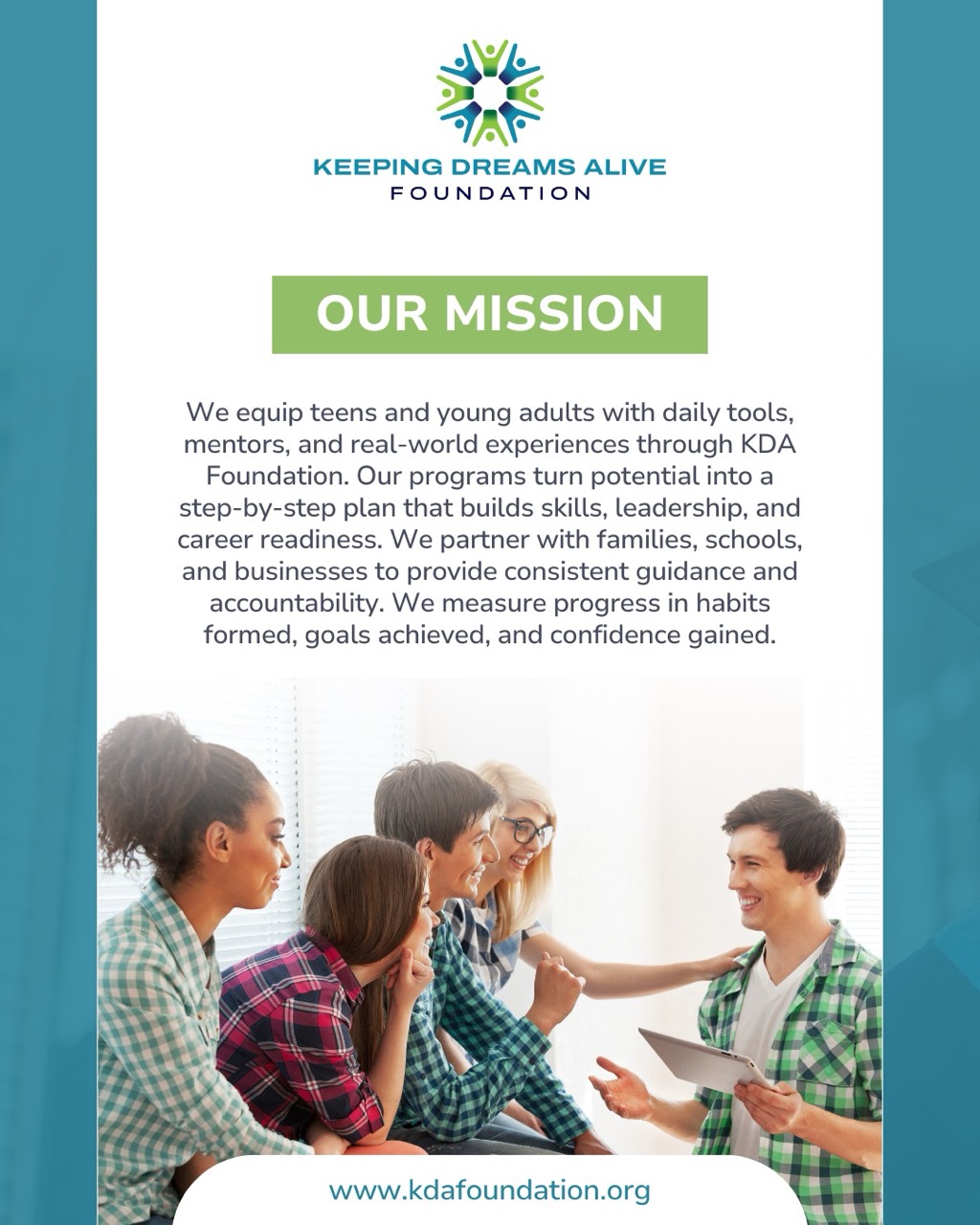
A practical, real-world approach defines how KDA Foundation supports teen emotional growth. Our programs focus on helping teens understand emotions, regulate responses, and build confidence through daily guidance rather than occasional intervention. Structured mentoring encourages accountability while reinforcing healthy routines that teens can apply at school, at home, and in social settings. Emotional intelligence, mindfulness, and self-regulation remain central to how KDA Foundation helps teens develop clarity, balance, and stronger decision-making skills.
Long-term emotional wellness depends on repetition, trust, and consistent guidance. KDA Foundation designs programs that reinforce emotional habits over time, allowing teens to practice skills in real situations and reflect on progress. Our approach supports healthy mindsets that extend beyond adolescence into adulthood. Through community-based mentorship in Coral Springs, teens gain tools that improve focus, strengthen relationships, and encourage responsible choices. Emotional wellness becomes a daily practice that supports confidence, adaptability, and personal growth.
Why Emotional Wellness Matters During the Teen Years
Adolescent brain development shapes how teens process emotions, manage stress, and make decisions. Growth continues in areas responsible for emotional regulation and impulse control, which increases vulnerability to overwhelm without guidance. Emotional Wellness Programs for Teens address these realities by focusing on skill development instead of short-term solutions. According to the Centers for Disease Control and Prevention, emotional health directly affects learning, behavior, and overall well-being during adolescence. KDA Foundation recognizes the importance of supporting teens during this critical stage with structured emotional guidance.
Academic pressure, social expectations, and constant digital exposure challenge emotional balance. Without practical tools, stress can disrupt focus, confidence, and peer relationships. Our approach emphasizes emotional awareness, healthy communication, and thoughtful decision-making. These skills help teens respond with intention rather than react impulsively when challenges arise.
Long-term growth matters more than temporary relief. Families in Coral Springs value programs that reinforce emotional habits over time. We help teens build confidence, strengthen relationships, and develop a stronger sense of control in daily life. Emotional wellness becomes a foundation for resilience, accountability, and healthier choices.
Stress Management Skills That Fit Real Teen Life
Daily pressure defines much of modern teen life as academic deadlines, exams, extracurricular schedules, and social expectations compete for attention. Emotional Wellness Programs for Teens focus on stress management skills that teens can use consistently rather than relying on occasional motivation. According to the National Institute of Mental Health, unmanaged stress during adolescence can affect emotional balance, focus, and decision-making. KDA Foundation addresses these challenges by guiding teens toward structured habits that support calm and clarity.
Practical guidance replaces abstract advice in effective programs. Time awareness, realistic goal-setting, and daily routines help teens understand how stress influences both the body and the mind. Clear instruction allows teens to recognize early signs of overload and take action before pressure escalates. This skill-based approach encourages accountability and emotional awareness in everyday situations.
Consistent tools strengthen emotional stability over time. Breathing exercises, reflective journaling, and guided check-ins help teens identify stress triggers and adjust responses. KDA Foundation emphasizes repetition and real-life application so stress management becomes a daily habit. These practices reduce burnout during demanding academic years and support healthier emotional balance.
Mindfulness Practices That Build Focus and Calm
Mindfulness supports emotional balance by helping teens slow down, stay present, and manage pressure with intention. Emotional Wellness Programs for Teens often include age-appropriate mindfulness practices that fit busy academic and social schedules. KDA Foundation integrates mindfulness as a practical skill rather than a trend, allowing teens to build focus and calm through consistent daily habits that support emotional awareness and clarity.
Short, guided exercises teach teens how to pause, notice thoughts, and redirect attention without judgment. These practices strengthen concentration, improve emotional control, and increase self-confidence over time. Clear instruction helps teens understand how mindfulness connects to real-life situations such as test anxiety, social stress, and performance pressure. Structure and repetition make these skills accessible and effective.
Long-term benefits develop when teens practice mindfulness independently. For students in Coral Springs balancing academics, activities, and responsibilities, mindfulness offers mental clarity without adding pressure. We emphasize practical application so teens can use these tools during challenging moments. KDA Foundation encourages daily mindfulness habits that support emotional balance, thoughtful decision-making, and personal growth well beyond adolescence.
Developing Emotional Intelligence for Better Relationships
Emotional intelligence shapes how teens communicate, resolve conflicts, and build trust across different environments. Emotional Wellness Programs for Teens strengthen these abilities by focusing on practical emotional skills that support daily interactions. At KDA Foundation, we guide teens through intentional learning that connects self-awareness, empathy, and communication into real-life practice. The bullet points below explain how emotional awareness, perspective-taking, and leadership-focused communication work together to improve relationships with peers, teachers, and family members. Each area plays a distinct role in helping teens understand emotions, manage responses, and engage respectfully in challenging situations.
Self-Awareness and Emotional Recognition
Self-awareness begins with the ability to identify emotions accurately and understand how feelings influence behavior. This skill allows teens to recognize emotional patterns before reactions escalate. Through guided reflection and structured discussion, teens learn to pause and assess emotional states during stressful or emotional moments. Emotional recognition improves accountability and helps teens communicate needs clearly instead of acting impulsively. Consistent practice strengthens confidence and emotional clarity. Over time, self-awareness supports better decision-making and healthier interactions across academic, social, and family settings.
Empathy and Perspective-Taking Skills
Empathy allows teens to understand viewpoints beyond their own experiences. Perspective-taking helps reduce conflict by encouraging thoughtful responses rather than assumptions. Structured activities guide teens to consider how words and actions affect others. This approach improves listening skills and builds respect during disagreements. Empathy strengthens peer relationships and supports collaboration in group environments. As teens practice perspective-taking, emotional maturity increases and misunderstandings decrease. These skills promote patience, fairness, and stronger social connections that carry into adulthood.
Communication and Leadership Development
Effective communication connects emotional understanding with action. Teens learn how tone, timing, and language influence outcomes during conversations. Structured guidance helps teens express emotions clearly while respecting boundaries. Leadership-focused communication builds confidence during group projects, discussions, and decision-making moments. Teens develop the ability to address challenges calmly and guide others constructively. Strong communication skills support teamwork, responsibility, and mutual respect. These competencies prepare teens for leadership roles in school, future careers, and community involvement.
Self-Regulation Tools That Encourage Responsible Choices
Self-regulation shapes how teens respond to pressure, emotions, and everyday challenges. Emotional Wellness Programs for Teens focus on building this skill through practical guidance that supports thoughtful decision-making. During adolescence, emotional intensity often rises faster than impulse control, which can lead to reactions that teens later regret. KDA Foundation approaches self-regulation as a learnable skill that strengthens responsibility, confidence, and emotional balance through consistent daily practice.
Structured guidance helps teens recognize emotional cues before reactions take over. Awareness of physical signals, thoughts, and emotional patterns allows teens to pause and evaluate choices. Clear boundaries and intentional reflection support healthier responses during stressful situations. These strategies encourage accountability and reduce emotional outbursts that interfere with learning and relationships.
Confidence grows when teens manage challenges successfully. Peer pressure, setbacks, and unexpected changes become easier to handle with practiced self-regulation tools. Repetition reinforces maturity and self-trust during formative years. We emphasize real-life application so teens can use these skills at school, at home, and in social environments. Over time, responsible choices become habits that support long-term emotional growth and independence.
Parental Involvement and Community Support
Family guidance and community connection shape how teens apply emotional skills beyond structured sessions. Emotional Wellness Programs for Teens succeed when support extends into daily life through parents and mentors. At KDA Foundation, we encourage collaboration that reinforces accountability, communication, and trust. The bullet points below explain how parental engagement, mentor involvement, and shared responsibility create consistent emotional support across home, school, and community environments for growing teens everywhere daily.
- Parental Engagement at Home: Parental engagement reinforces emotional skills through consistent language, routines, and expectations at home. Clear communication helps teens practice self-regulation and accountability outside program settings. When parents model emotional awareness and listening, teens gain confidence using healthy coping strategies during academic pressure, conflict, and everyday decision-making moments.
- Mentor Guidance and Perspective: Community mentors provide guidance that complements family support by offering perspective, encouragement, and real-world insight. Trusted mentors help teens reflect on choices, manage stress, and navigate challenges. Exposure to positive role models strengthens motivation, reinforces responsibility, and helps teens feel supported without judgment across different environments.
- Collaborative Support Systems: Collaborative support creates consistency between home, mentoring, and program guidance. Shared expectations reduce confusion and build trust during emotional development. When adults align messaging and encouragement, teens experience stability that promotes openness, responsibility, and long-term habit formation rooted in respect and mutual understanding values.
Long-Term Benefits Beyond the Teen Years
Emotional growth during adolescence creates a foundation that influences adulthood. The impact of Emotional Wellness Programs for Teens reaches far beyond high school by strengthening emotional intelligence, stress awareness, and mindfulness habits. These skills prepare young people to face change by building resilience and adaptability. At KDA Foundation, we focus on building emotional habits that support long-term stability rather than short-term results.
Academic and personal success often depend on emotional skills as much as knowledge. Teens who understand emotions communicate more effectively, manage pressure with clarity, and make confident decisions. Emotional awareness supports healthier relationships in college, the workplace, and family life. Employers and educators increasingly value emotional regulation, accountability, and interpersonal skills alongside technical abilities.
Early investment in emotional wellness supports lifelong growth. Families who prioritize mental development help teens transition into adulthood with confidence and balance. Consistent practice during the teen years strengthens independence, responsibility, and adaptability over time. We design our programs to reinforce habits that remain useful through career development, leadership roles, and personal relationships. Emotional wellness becomes a lasting asset that supports both personal fulfillment and professional success.
Why Families Choose KDA Foundation for Teen Emotional Wellness
A commitment to consistent, real-world guidance sets KDA Foundation apart when families seek dependable emotional wellness support for teens. Programs focus on daily skill-building rather than short-term motivation, allowing teens to practice emotional awareness, self-regulation, and accountability in real situations. This structured approach helps emotional growth become part of everyday life instead of an occasional lesson.
Experience with community-based mentorship strengthens how KDA Foundation supports teens in Coral Springs. Guidance connects emotional development with academics, relationships, and personal responsibility. Mentors reinforce practical tools that teens can apply at school, at home, and in social environments. Clear structure, encouragement, and accountability create a balanced system that supports confidence without pressure.
Long-term impact remains the primary goal. Families choose KDA Foundation because programs emphasize habits that support resilience, independence, and thoughtful decision-making beyond adolescence. Emotional wellness becomes a foundation for future success rather than a temporary intervention. Through consistent mentorship, intentional programming, and community connection, teens gain clarity, balance, and confidence that prepare them for adulthood with purpose and stability.
FAQs About Emotional Wellness Programs for Teens
- What are Emotional Wellness Programs for Teens?
These programs focus on helping teens manage stress, understand emotions, and develop healthy coping strategies through structured guidance and mentorship. - At what age should teens start emotional wellness programs?
Most programs support teens between ages 13 and 18, though some extend into young adulthood depending on individual needs. - How do these programs help with stress?
They teach practical tools such as time management, mindfulness, and emotional awareness to reduce daily stress and anxiety. - Are Emotional Wellness Programs for Teens therapy?
These programs do not replace clinical therapy. They focus on skill-building, mentorship, and emotional education rather than diagnosis or treatment. - Can emotional wellness programs improve academic performance?
Improved focus, stress management, and self-regulation often support better academic engagement and consistency. - How long does it take to see results?
Many teens notice improved awareness and confidence within weeks, with long-term benefits developing through consistent participation. - Do parents participate in the programs?
Parental involvement varies by program but often includes communication, guidance, and reinforcement of skills at home. - Are these programs suitable for teens with social challenges?
Yes. Emotional wellness programs often help teens improve communication, empathy, and peer relationships. - What makes KDA Foundation programs different?
KDA Foundation emphasizes daily guidance, mentorship, and real-world application rather than one-time workshops. - How can families in Coral Springs get started?
Families can contact the foundation directly by phone or email to learn about available programs and enrollment options.
Build Resilient, Emotionally Aware Teens Today
Emotional development influences how teens manage stress, relationships, and responsibility throughout life. Emotional Wellness Programs for Teens provide structured guidance that supports emotional intelligence, self-regulation, and healthy daily habits. Families in Coral Springs seeking consistent mentorship and practical tools can turn to KDA Foundation for programs designed around real-life challenges and long-term growth. Our approach emphasizes clarity, accountability, and emotional balance that teens can apply at school, at home, and in social environments. Clear next steps create meaningful change. Support your teen’s emotional wellness journey with guidance that builds confidence and resilience over time. Contact us today to learn how our programs help teens develop healthy mindsets, stronger decision-making skills, and lasting emotional awareness rooted in purpose and growth.