
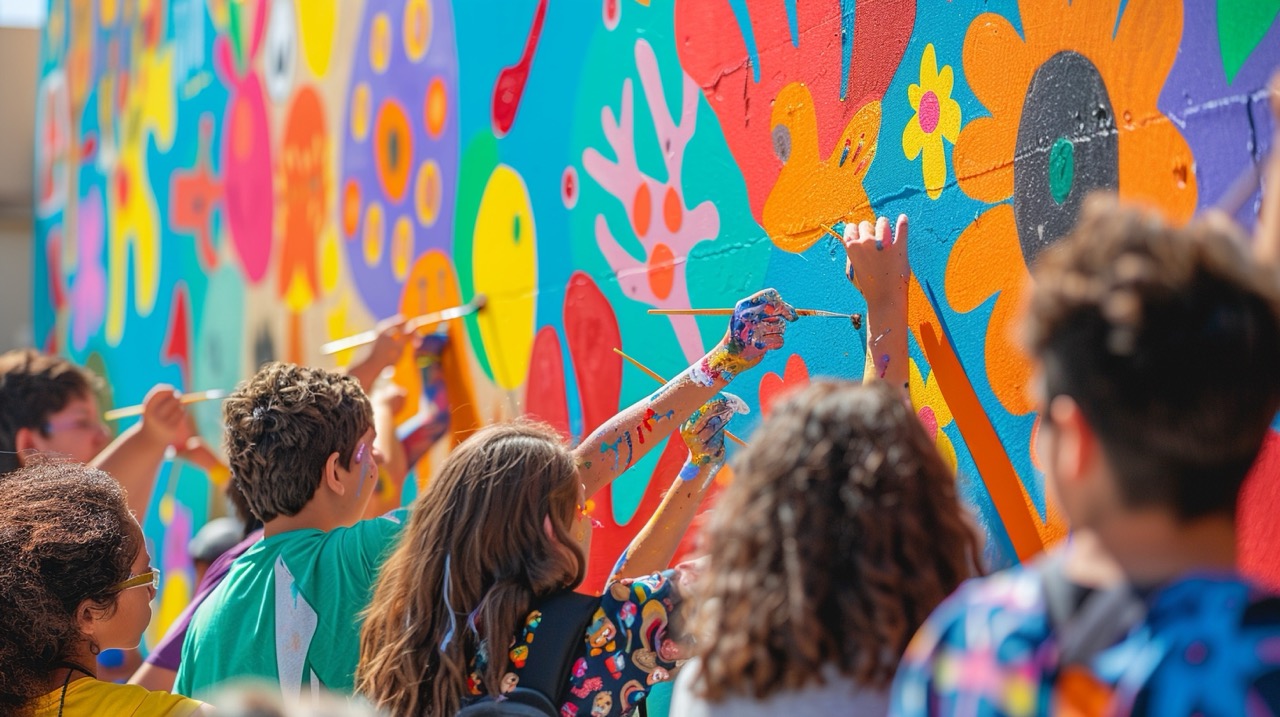
A Scalable Network Turning Daily Actions Into Citywide Impact
The KDA Foundation builds practical, neighborhood-first community impact programs for teens and young adults across Coral Springs, Florida, and the surrounding Broward County cities of Parkland, Margate, Coconut Creek, and Tamarac. Our “Hub & Spoke” model starts with a central Hub that provides daily guidance, mentor coordination, and program design, then extends through Spokes, schools, parks, faith groups, businesses, and civic partners, along streets families already travel: University Drive, Sample Road, Riverside Drive, Coral Springs Drive, Atlantic Boulevard, Wiles Road, and Holmberg Road. The result is a reliable network where students can take small steps every day, find support nearby, and see their wins show up at home, in school, and at work.
At the Hub, students access the KDA Foundation’s web-based guidance, short daily challenges, and mentor nudges. At the Spokes, they put those lessons into action—running micro-projects at Mullins Park, practicing interviews near City Hall on Coral Springs Drive, launching service ideas at Sportsplex at Coral Springs, or connecting with businesses around The Walk on University. Every action is small, clear, and repeatable: set three goals for the week, complete a 10-minute task, reflect for one minute, and upload evidence to a simple portfolio. Families see real progress without adding stress to an already full Coral Springs schedule.
Why the Hub & Spoke Model Works for Coral Springs
The Hub and Spoke model created by KDA Foundation works so well in Coral Springs because it is designed around daily life instead of one-time events. Many youth programs focus on occasional workshops or weekend conferences, but KDA’s approach integrates consistent growth into the routines of local students and families. A teen can practice a two-minute communication script at home near Riverside Drive, apply it the next day at school off Coral Springs Drive, and then reinforce it during a weekend volunteer shift at The Walk on University. Since these activities fit naturally into a student’s week, the habits formed become lasting and practical.
Local accessibility also plays a key role. Each Spoke is close to where families already live and work, whether it is a park pavilion at Mullins Park, a classroom at Coral Springs High or J.P. Taravella, a creative studio on Sample Road, or a community space near Atlantic Boulevard. This allows students to participate without long travel times or schedule conflicts.
The Hub maintains high standards through structured lessons and trained mentors, while each Spoke adapts activities to reflect its environment. Every small action, such as an outreach email, a brief pitch, or a reflection note, turns into portfolio evidence that demonstrates real progress when students apply for scholarships, internships, or jobs.
What the KDA Hub Provides
At the heart of every KDA Foundation initiative is the Hub, the central source of coordination, structure, and daily motivation. The Hub connects students, mentors, and community partners through a shared system of short, meaningful actions that drive steady growth. It provides tools, guidance, and real-time feedback that help teens stay focused and confident. By combining digital resources with human connection, the Hub ensures that every student can make progress each day, wherever they are in Coral Springs.
- Daily Guidance and Challenges
The Hub delivers a 10–15 minute daily routine focused on goal setting, bite-size challenges, and quick reflections that help make growth a consistent habit. Examples include: “Ask a teacher one clarifying question,” “Plan a two-hour Sunday focus block,” “Write a three-sentence status update,” or “Introduce yourself to a mentor in 60 seconds.” - Mentor Network and Matching
We coordinate caring adults such as professionals, educators, alumni, and business owners so teens always have someone to ask when they need help. Matches consider interests, schedules, and proximity, whether a student lives near Coral Ridge Drive or further west toward Parkland. - Program Toolkits
KDA toolkits contain planning cards, reflection journals, stress reset bands, project briefs, interview flash cards, and QR-linked micro-lessons. These tools are lightweight and portable, so students can work at a study table off Riverside Drive or a workshop space near Atlantic Boulevard. - Data and Progress Checkpoints
The Hub monitors student streaks, completed artifacts, and mentor interactions. Students can see their own progress, families receive clear updates such as “what we practiced” and “how to help in five minutes,” and partners learn which activities generate the strongest impact in local settings. - Partner Coordination
The Hub assists Spokes in organizing community events such as resume labs near City Hall, portfolio showcases along Sample Road, or Jeffersonian-style dinners where students meet local leaders and practice professional conversations that build confidence and connection.
How the Spokes Operate Across Coral Springs
The Spokes bring KDA Foundation’s programs directly into the community, creating accessible learning zones where students can practice life and leadership skills. Each Spoke operates within familiar environments such as schools, parks, businesses, and homes. Together, they form a connected network across Coral Springs that transforms daily spaces into powerful places for growth and mentorship.
School Spokes
Classrooms at Coral Springs High, J.P. Taravella, Coral Springs Charter, and Marjory Stoneman Douglas turn into active learning spaces. Teachers integrate short KDA challenges during advisory periods or after-school clubs. Shared language around goals, actions, and reflection helps students develop consistent study and planning habits, which in turn improve both academic and personal outcomes.
Park and Community Spokes
Local spaces, such as Mullins Park, the Sportsplex at Coral Springs, and nearby recreation centers, host interactive workshops. Activities include mock interviews, project showcases, and student-led volunteering. Teens gain real-world experience in coordination, teamwork, and professionalism while learning to plan and follow through in friendly, supportive environments.
Business Spokes
Shops, studios, and offices along University Drive, Sample Road, and Coral Springs Drive offer hands-on business tasks. Students complete short assignments such as drafting promotions, testing surveys, or organizing product displays. These real expectations teach responsibility, communication, and teamwork, preparing teens for future internships and employment opportunities.
Faith and Nonprofit Spokes
Local congregations and nonprofits organize service-based projects that align with community values. Teens learn empathy, organization, and cultural awareness through activities that build meaningful connections. These experiences teach leadership rooted in kindness and give young people opportunities to make a visible, lasting impact on their neighborhoods.
Family Spokes
Homes across Coral Springs serve as the most personal learning hubs. Parents and guardians use KDA’s “Help in Five” prompts to support their teen’s progress. By asking one question, reviewing one artifact, or celebrating a small win, families become active partners in student success without adding stress or long meetings.
Benefits Families See in Coral Springs
Families across Coral Springs quickly see the benefits of participating in the KDA Foundation’s Community Impact Programs. Within just two weeks, many teens demonstrate greater confidence, fewer missing assignments, and improved communication with teachers, leading to calmer evenings and better self-management at home. The program’s short outreach templates teach practical communication skills, helping students send professional emails to counselors, managers, or mentors. These simple habits often evolve into valuable real-world opportunities, from job interviews to local references around Atlantic Boulevard and The Walk.
The program also helps teens develop healthy routines that support sustainable growth. A 90-second reset script and pre-bed checklist encourage better sleep and stress management during busy exam periods. Wellness is built into every activity, ensuring students stay balanced as they learn.
Because the Spokes are community-based, participants build strong local ties, neighbors recognize their efforts, café owners offer encouragement, and park staff provide real feedback. Each relationship becomes part of the learning journey. In addition, students graduate with tangible proof of progress: KDA portfolios filled with reflection notes, service logs, flyers, budgets, and thank-you messages that showcase genuine accomplishments for college applications, scholarships, or first jobs.
Signature Community Impact Programs
The KDA Foundation’s Community Impact Programs are designed to turn everyday moments into opportunities for growth. Each program connects students in Coral Springs and surrounding Broward County communities with hands-on learning, mentorship, and real-world experiences. Whether it’s through daily challenges, entrepreneurship labs, or community service projects, every initiative empowers young people to develop habits, skills, and confidence that last well beyond the classroom.
- Daily Growth & Guidance
Ten-minute challenges help students build planning, communication, and follow-through. A ninth grader near Riverside Drive prints the “3 Goals / 3 Actions” card; a junior on Holmberg Road records a 60-second pitch; a senior near Atlantic Boulevard drafts a scholarship email. Small wins stack weekly, leading to measurable confidence and consistent productivity. - Dreamer Box (Optional Add-On)
This curated box of wellness tools and project materials is delivered directly to homes in Coral Springs and nearby cities. Each item links to a QR-based lesson, such as a time-blocking pad, reflection journal, interview flash cards, or stress reset band. Every box promotes personal growth, self-awareness, and practical action. - Youth Mentorship Tracks
Students explore eight essential life areas: education, career readiness, emotional wellness, life skills, hobbies and passions, family communication, social life, and purpose. Each community Spoke tailors its focus study systems in schools, interview prep in businesses, or wellness sessions in parks—ensuring personalized development for every student. - Student Entrepreneurship Labs
Through short, guided sprints, students test small business ideas in real environments. Projects include sticker sales at Sportsplex, tutoring sessions in community centers, or sports clinics at Mullins Park. Each experiment teaches goal-setting, pricing, customer communication, and reflection, with every completed project added to a growing KDA portfolio. - Career Exposure & Pathways
Partner businesses around The Walk on University Drive and Sample Road offer shadowing and hands-on opportunities. Students observe staff huddles, practice workplace communication, and handle simple tasks such as greeting customers or assembling displays. These experiences help teens develop confidence, professionalism, and clarity about future careers. - College, Trades & Financial Aid Basics
With official resources from ED.gov integrated into daily prompts, students and parents receive step-by-step support for college and trade school planning. Each week, they complete small tasks such as creating an FSA ID, identifying scholarships, or reviewing financial aid timelines, turning overwhelming goals into manageable progress. - Service & Civic Leadership
Students design and lead community projects such as park cleanups, local food drives, or event coordination. Aligned with Youth.gov guidelines for safety and inclusion, these projects strengthen civic pride, teamwork, and responsibility. Each student learns how giving back contributes to personal growth and community well-being.
The KDA Coral Springs Process: From First Step to Real-World Wins
The KDA Foundation follows a structured yet flexible process that helps Coral Springs students turn learning into action. Each step blends mentorship, practical tasks, and reflection to build confidence and measurable progress. From signing up to completing local experiences, every phase helps teens grow into capable, motivated, and community-minded young leaders.
Step 1: Join the Hub
Students begin by signing up online and completing a short readiness snapshot that takes about 10–15 minutes. This helps identify their strengths, interests, and challenges, such as time management or stress. Based on results, the Hub recommends a personalized starting track aligned with the student’s weekly schedule and neighborhood resources.
Step 2: Pick a Spoke
Families select a convenient Spoke, such as a school on Coral Springs Drive, a park program at Mullins Park, or a community workshop near The Walk. Each Spoke hosts sessions and workshops that complement the student’s daily progress at home, ensuring that learning happens both locally and consistently.
Step 3: Start the 3×3 Rhythm
Students follow KDA’s signature 3×3 rhythm: set three goals for the week, plan three actions for each, and reflect daily for one minute. Mentors send encouraging check-ins, and parents receive brief updates. This rhythm keeps students focused, accountable, and motivated to turn intentions into consistent progress.
Step 4: Capture Evidence
Students document progress through their personal KDA portfolio. They upload photos, videos, and written reflections such as time-blocked schedules, event flyers, or thank-you notes. These artifacts become visual proof of their growth, transforming simple activities into meaningful accomplishments that can be shared with schools, mentors, or employers.
Step 5: Try a Local Micro-Experience
Supported by a Spoke, students engage in short real-world projects such as mock interviews at City Hall, clinic shadows on University Drive, or creative sprints at Sample Road studios. Each micro-experience strengthens confidence, professionalism, and adaptability. Afterward, students reflect on what worked and identify clear next steps for improvement.
Step 6: Review and Level Up
Every 6–8 weeks, students and mentors meet for a reflection session led by the Hub. Together, they assess skill development, review portfolio progress, and set new challenges. This review phase helps students identify leadership opportunities, advanced tracks, or entrepreneurship labs that align with their growth and future aspirations.
Success Stories of Community Impact in Coral Springs
Every student story within the KDA Foundation’s Community Impact Programs shows how small, intentional actions can create lasting transformation. In Coral Springs, these successes unfold in classrooms, parks, and businesses across the city, from Riverside Drive to University Drive, where mentorship meets daily practice and confidence grows through real experience.
Tyler Turner’s journey is one of persistence and vision. “The important things that I have learned from Coach Stoutt are how to play the game and how dedication and hard work will help me become successful not only on the field but in all aspects of life,” he said. Under the KDA Foundation’s mentorship, Tyler learned to channel his focus beyond athletics. By applying structure, time management, and resilience, he improved both his academic performance and his confidence in leading peers. His story reminds students that sports lessons can become life lessons when guided by purpose.
Similarly, Jason Powell from Piper High School shared, “A life without struggles is a life without victory. Coach Stoutt gives me a second chance.” Jason’s testimonial captures what makes KDA unique: its belief that setbacks are growth opportunities. Through weekly mentorship and goal-setting exercises, Jason developed better study habits, improved his communication with teachers, and built a stronger sense of self-worth. His growth became visible not just in his grades but in how he carried himself.
These real examples reflect how KDA Foundation’s Community Impact Programs in Coral Springs turn potential into progress, one student, one habit, and one act of courage at a time.
Coral Springs & Broward County: A Growing Hub for Youth and Community Development
Coral Springs, Florida, has earned its reputation as one of Broward County’s most family-oriented and economically balanced cities. With a population of about 133,962 residents in 2023 and a median household income of $90,643, the city represents both diversity and stability.
Known for its strong schools, safe neighborhoods, and active civic involvement, Coral Springs offers an ideal setting for programs that foster youth growth, mentorship, and community engagement.
Within Broward County’s Northwest Coral Springs region, the median household income stands at $83,202, and local employment continues to expand, with an unemployment rate of only 2.9 percent in 2023.
This combination of steady growth, cultural diversity, and economic vitality makes Coral Springs an ideal testing ground for sustainable youth development initiatives.
While opportunity is widespread, access to structured mentorship and practical career readiness remains uneven. KDA Foundation’s Community Impact Programs close that gap by ensuring students across all neighborhoods can connect with local mentors, gain hands-on experience, and build daily habits that lead to lasting progress in school, work, and life.
Why Partners Across University Drive and Sample Road Trust KDA Foundation
Partners across University Drive and Sample Road trust the KDA Foundation because it fosters a welcoming, low-pressure culture where teens feel genuinely seen, supported, and encouraged from the very first interaction. Every engagement is designed with intention, following evidence-based practices that combine short, spaced sessions of learning, practice, and reflection.
This structure aligns with proven learning science and national guidance from respected educational and youth development agencies. KDA’s approach is also deeply rooted in local-first logistics. Programs are scheduled around school bell times, community events, and local bus routes to minimize barriers and make participation smooth for students and families alike.
Beyond structure, what truly earns partners’ trust is the foundation’s commitment to proof of progress. Students showcase their growth through practical portfolios that include real-world outputs such as emails, flyers, logs, and reflections, offering concrete evidence of skills applied successfully.
The impact extends further when community partners, like cafés or parks, display student-led projects, turning shared efforts into visible wins that strengthen both youth confidence and community pride.
FAQs About Community Impact Programs in Coral Springs, FL
- What exactly is the Hub & Spoke model?
The Hub provides daily guidance, mentors, and quality standards. Spokes schools, parks, businesses, nonprofits, and homes host short, local experiences where teens practice what they learn. Everything stays coordinated, but each Spoke reflects its neighborhood. - How much time does this take each week?
Daily actions take 10–15 minutes. Optional Spoke events run 60–90 minutes and are scheduled around Coral Springs traffic patterns and school calendars. - Do students need to be high achievers?
No. Our community impact programs meet students where they are. We focus on small wins that build confidence quickly. - Can families participate if transportation is limited?
Yes. Many actions happen at home, and Spoke sites are spread across the city, Mullins Park, Sportsplex, school campuses, and partner spaces along University, Sample, and Atlantic, so families can choose what’s closest. - How do mentors communicate?
Short messages, brief audio notes, and optional small-group sessions. We emphasize clarity and kindness, never pressure or overwhelm. - Are there costs?
Foundational access is donation-supported. Optional add-ons like the Dreamer Box or specialized labs may have fees; donor support helps expand access citywide. - What about safety and privacy?
We use common-sense guidelines, secure systems for portfolios, and adult supervision for off-site activities. Families choose what to share. - How do government resources fit in?
We embed official information like college planning from ED.gov and youth development frameworks from Youth.gov directly into lessons so families can act on trustworthy guidance without hunting for links. - How do Spokes join?
Schools, parks, nonprofits, and businesses can contact us for a simple onboarding kit. We align on outcomes, schedule, and a short list of near-term activities that fit the venue. - What outcomes do you aim for?
Weekly habits (planning, communication, follow-through), completed artifacts, local experiences, and stronger connections among students, families, schools, and businesses. Those outcomes show up as better grades, calmer homes, first jobs, and a clearer sense of direction.
Join the Movement—Right Here in Coral Springs
Your teen’s next step doesn’t require a long waitlist or a once-a-year event. It starts with one short action today, then another tomorrow. With the KDA Foundation Hub & Spoke network, community impact programs reach your street, your school, your park, and your favorite local businesses—transforming potential into daily progress that the whole city can feel.
Contact KDA Foundation
Location: Coral Springs, Florida (near University Drive & Sample Road)
Phone: (954) 775-8255
Email: [email protected]
At KDA Foundation, we believe Coral Springs grows stronger when students have clear paths, caring mentors, and nearby places to practice. Join us as we connect Hubs and Spokes across University Drive to Riverside Drive, from Atlantic Boulevard to Wiles Road, and from Sample Road to Holmberg Road; so every young person can build habits, create evidence, and move confidently toward college, careers, and community leadership.